


08
2026
-
07
These parts won't be covered if they get frozen! LNG truck drivers, take note.
It's normal for LNG truck tanks to experience gasification and icing, but if some parts leak and cause damage to other components, you might run into issues with warranty claims being denied.

Recently, temperatures have dropped sharply in many areas, and truck drivers in particularly cold regions have really been digging in. Along the way, trucks have accompanied us across the country, but once winter sets in, LNG gas vehicles need to pay extra attention to maintenance and usage due to the low temperatures. Especially, it’s important to avoid freezing in electrical and pipeline parts, because handling it is really troublesome, and according to some dealers, frozen parts aren’t covered under warranty.
▎Close the boost valve and discharge valve—be careful, no warranty coverage
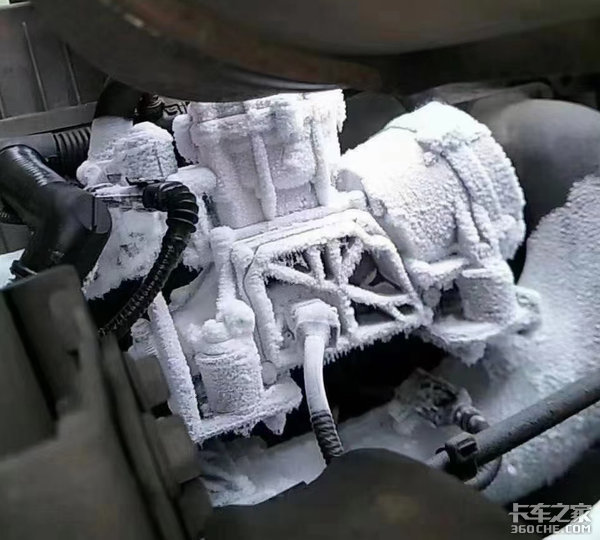
As you can see from the picture, the electrical lines between the gas cylinder and the engine have frozen, and the area affected is quite large, causing the vehicle to malfunction. For our gas vehicles, before parking and sleeping in winter, we definitely need to close the gas cylinder booster valve and the liquid outlet valve, otherwise it's easy to run into the situation shown in the picture when starting the car in the morning, which is really troublesome to deal with. ...

According to dealers, any parts damaged by this kind of icing won't be covered under the warranty. Of course, not all LNG trucks will have this problem, but it's better to be cautious.
▎Cold winter temperatures mean you need to be careful when driving.

In addition, gas vehicles need to pay attention to these things in winter, especially gas engines that meet the National VI standard, which can reduce issues like EGR and other electrical line icing.
1. In cold regions, after a cold start, don’t stomp on the accelerator pedal. It’s better to idle and warm up for a while, and wait until the water temperature rises before driving. No need to rush, and long periods of idling are not recommended.
2. When operating in cold areas, it’s recommended to add insulating cotton to the front of the intercooler. This can provide some wind and heat protection and reduce cooling of the intercooler when facing the wind.
3. Before turning off the engine, you can let it idle for 3-5 minutes, then turn off the heat air, allowing the engine to shut down under better conditions.

If the pipes or valves have already frozen, you can rinse the pipes with warm water. Never use a hammer or any hard object to strike the pipes or joints. It's important to be careful when washing your vehicle, especially avoiding the engine's electronic control system components, like high-voltage wires, ignition coils, sensors, ECU units, and so on. If the freezing is particularly severe, you should seek help from a repair shop to remove and clean the pipes.
▎How to identify if the freezing is a normal occurrence

Let's start with a simple look at the composition of an LNG cylinder. It mainly has a double-layer vacuum structure, including an inner tank, an outer tank, valves, sensors, and other parts. The inner tank stores the cryogenic liquid and is made of low-temperature resistant alloy to handle both the pressure and the cold. The outer shell protects the inner tank, doesn’t come into contact with the cryogenic liquid, and bears the weight of the inner tank, the liquid, and the vacuum pressure of the insulation layer. There’s a certain distance maintained between the shell and the inner tank, forming an interlayer space filled with insulating material, and the middle layer is highly vacuumed to ensure good insulation.

When an LNG vehicle isn’t in operation, especially if it’s parked for a long time, the LNG can vaporize and cause the pressure inside the tank to rise. When it reaches a certain limit, the tank’s safety valve will automatically release some gas to relieve the pressure and ensure the vehicle’s safety.
In this situation, you might notice frost or condensation around the tank valve. Of course, this isn’t due to a problem with the tank or gas system—it’s just a normal feature of gas-powered vehicles. However, if you see ice or frost forming on the tank piping, it could indicate a gas leak issue.

Also, when the vehicle is running under high load and gas is being supplied continuously in large amounts, frost and condensation can appear on the walls of pipes with faster flow. If these ice and condensation issues improve after the vehicle is stopped, that’s normal. Otherwise, it’s necessary to check whether there’s an LNG leak.
If frost or condensation appears on the outside of the gas cylinder, one possibility is that the vacuum inside the cylinder is damaged, reducing its insulation and causing this issue, which would need repair. Another possibility is that the outside temperature is just too low or the humidity too high, which is normal.

Of course, this is just a tip for truckers. You can’t rely solely on frost to make a full judgment; a flammable gas detector is needed to confirm a leak. However, modern gas vehicles are all equipped with natural gas leak alarms, which can monitor the gas tank in real time. If there’s any fault or leak, the system will give a warning to ensure the safety of both people and the vehicle. At the same time, we also need to always take proper safety precautions and strengthen inspections to minimize the risk of gas leaks and other hazards.
● Editor’s Note:
It’s quite common for gas vehicle cylinders to frost over, especially in winter, so we need to pay extra attention while using the vehicle. As dealers often recommend, turning off the booster valve and liquid outlet valve before parking to sleep can help maintain the vehicle, and it doesn’t take much effort for truckers to do.
Previous Page
Previous Page

Focus on the research and development of automotive brake systems and pneumatic brake valves to promote the development of the auto parts industry!
Contact Information
Telephone:86-575-87438928
Mobile:8613252110178
QQ:1185450863@qq.com
Address: No. 461, Advanced Village, Fengqiao Town, Zhuji, Zhejiang Province
Online message
Submit your information and we will contact you as soon as possible.