


24
2026
-
04
Don't take safety and cargo damage lightly; pay attention when driving in the rain.
In recent days, many parts of the country have been ravaged by heavy rainfall, and according to reports from the Meteorological Bureau, there is a trend for heavy rainfall to spread over a wider area nationwide. As the saying goes, anything in excess has the potential to go bad, and heavy rainfall is one of them.

Frequent heavy rain not only affects normal production and life in some areas of the country, but it is also a major challenge for truck drivers on the road. Severe weather may cause drivers' visibility to be blurred, vehicles to drive through water, and tires to slip when braking.
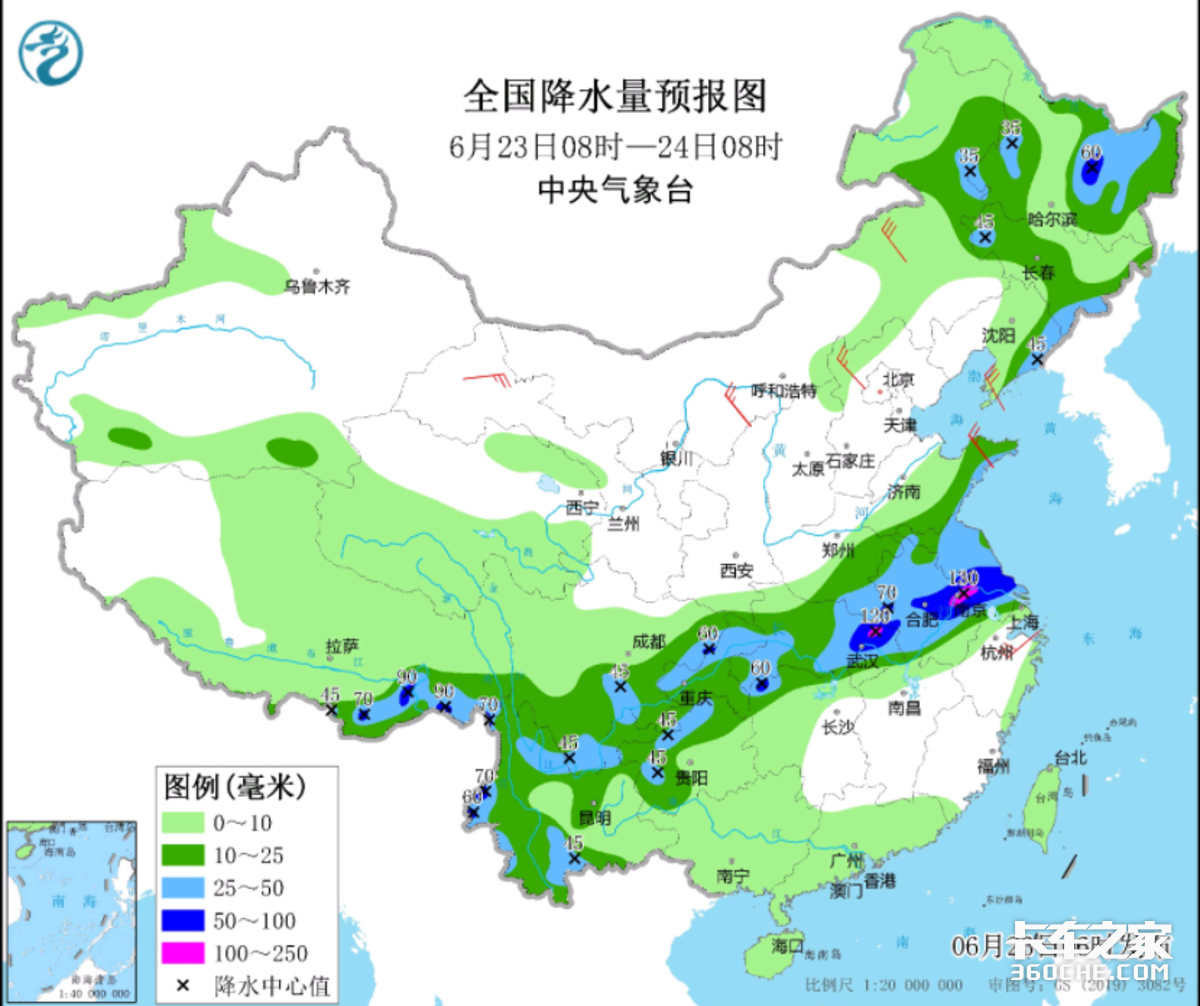
This article mainly aims to introduce some small tips for driving on rainy days to truck drivers, with the hope of making their driving safer and worry-free.

For our country, heavy rainfall occurs frequently in the summer, and almost every year some parts of the south experience this situation. Therefore, some experienced drivers check the vehicle's intake system, air pipes, and electrical wiring at the beginning of summer and ensure they are properly sealed.

This not only prevents water from entering key parts of the vehicle during heavy rain, but also helps prevent minor malfunctions in daily use. It can be said to be all benefit and no harm, after all, we truck drivers can't go into battle unprepared.

Speaking of preparations, we need to have our everyday tools ready, such as raincoats, waterproof tarps, and so on. Since the territory of our country is vast and the weather can change dramatically within a short distance, truckers often encounter this. Besides paying more attention to the weather forecast, having a raincoat can help cope better. It’s best to have a high-quality one, not a disposable one, otherwise it will get ruined quickly after a bit of climbing up and down.

When driving in the summer, it is recommended that truck drivers should never be lazy. The tarpaulin must be covered, and it must be properly covered. Otherwise, if it suddenly rains, truck drivers will not be able to react in time. At the same time, during daily operations, they should also frequently check the tarpaulin for waterproofness and any damage. All of these measures are to prevent cargo damage and to avoid affecting the normal settlement of payments.

With the rainy days comes also the spreading mist, which greatly affects our drivers' visibility. At this time, we need to make full use of the car's air conditioning and rearview mirror heating functions. The air conditioning can prevent the windows and windshield from fogging up, while the rearview mirror heating can effectively evaporate the retained moisture, ensuring a clear view from the mirrors.
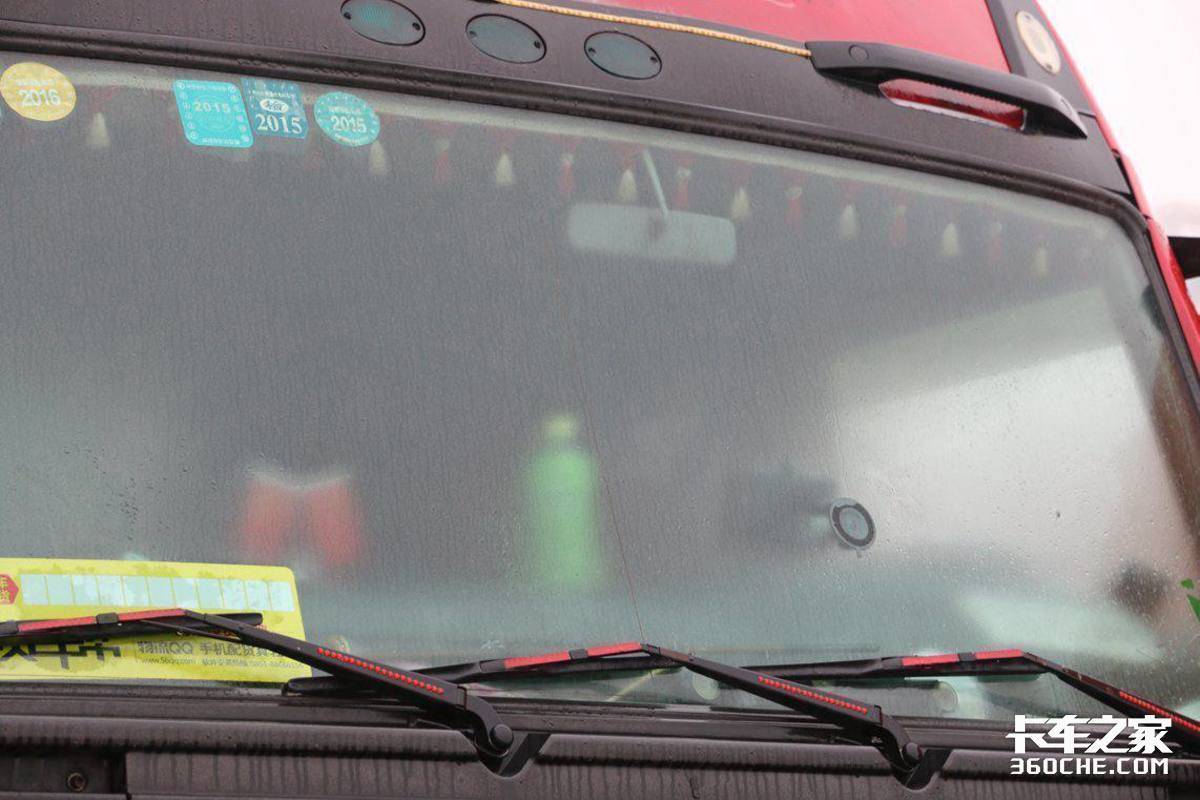
In addition, when driving on rainy days, you should turn on the windshield wipers in a timely manner to ensure the vehicle always has a clear forward view. During regular driving, you should also check whether the windshield wiper blades and washer fluid are in good condition and sufficient to avoid failure when needed. If conditions allow, you can also prepare some glass defogger.


As the saying goes, nine out of ten accidents are due to speed. Coupled with the poor visibility on rainy days, truck drivers must slow down in advance. This not only allows more time to handle unexpected situations while driving, but also effectively increases our driving visibility. Trucks already have large blind spots, and in extreme weather, drivers need to pay even more attention to the surrounding road conditions and pedestrians.

In addition, fellow drivers should maintain a sufficient safe distance from the vehicle in front while driving. In extreme weather, there is even less need to compete for a few seconds. When visibility is obstructed, external conditions may not be reported in time, and combined with slippery roads on rainy days, braking distance will be significantly increased. At this time, one should be extremely careful.


While driving, you must always pay attention to the speed and direction of the vehicles ahead, and never accelerate abruptly to overtake. The reason is that visibility is already poor on rainy days, and combined with slippery roads, forcibly crossing lines to overtake can easily cause the wheels to skid, resulting in collisions and other accidents.

Secondly, when the road surface is slippery, the braking distance of a car will be longer. While driving, it is essential to avoid sudden braking and to maintain a sufficient safe distance from the vehicle in front. Predictive driving is extremely important. During driving, if the front wheels skid, the steering should be corrected in the opposite direction of the skid; if the rear wheels skid, the steering should be corrected towards the side of the skid.

Focus on the research and development of automotive brake systems and pneumatic brake valves to promote the development of the auto parts industry!
Contact Information
Telephone:86-575-87438928
Mobile:8613252110178
QQ:1185450863@qq.com
Address: No. 461, Advanced Village, Fengqiao Town, Zhuji, Zhejiang Province
Online message
Submit your information and we will contact you as soon as possible.