


09
2026
-
11
Brake systems aren't something to take lightly, regular checks are super important
Once upon a time, experienced drivers would find a flat spot, park the car, mark the front and back tyres, release the handbrake, change into dirty clothes and grab two wrenches to crawl under the car to adjust the brakes.
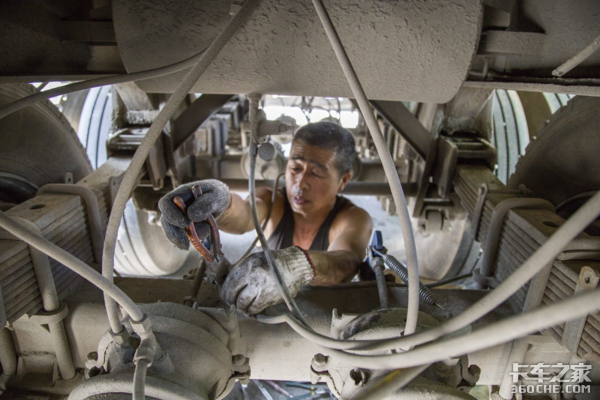
This kind of work is all based on experience; if it feels like the brakes aren't working well, you have to adjust them. There is a baffle on the inside of the brake drum, usually with one or two small round holes, through which you can see the wear of the brake pads. When the brake pads are worn to a certain extent, you need to take them to a repair shop to rivet new brake pads.
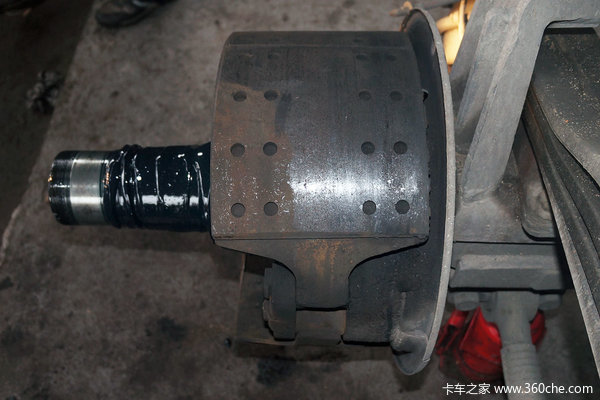
Some cars have brake pads that are not riveted with aluminium rivets but screwed on, and this process requires more attention to the wear of the brake pads. If they are not replaced in time, the screws will be exposed as the pads wear thin, and it won't take long for the brake drum to get a groove. This not only significantly reduces braking performance but also weakens the brake drum, and if it cracks, you can imagine the braking outcome!
● Features of the automatic adjusting arm:
1 Automatically maintains a constant gap between the friction pads and the brake drum, ensuring safe and reliable braking.
2 Minimises compressed air loss, extending the lifespan of the air compressor, brake calipers and other components in the compressed air system.
3 Braking is quick and reliable, with consistent and stable braking performance across all wheels.
4 Easy to install. Once the installation is complete, there’s no need to manually adjust the brake adjusting arm, reducing maintenance frequency, extending vehicle service intervals, and improving cost efficiency.
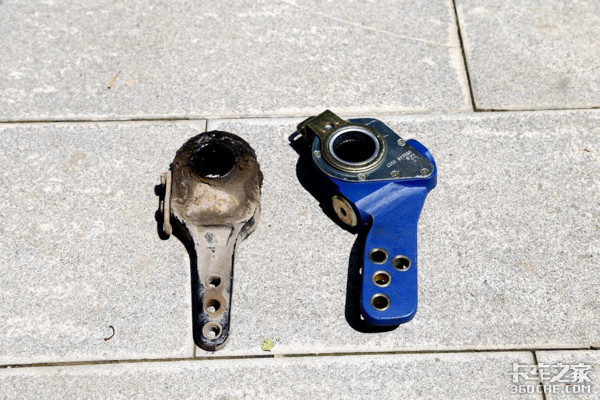
● How to tell if the automatic adjuster arm is broken?
A while ago, a buddy who just bought a new truck (Shaanxi Delong new M3000, 430hp LNG truck) asked me: "Brother, why won't the brakes adjust?" I told him that modern brakes all have automatic adjuster arms, so no adjustment is needed! But they still need to be checked regularly. He then asked: "So what do you do if the adjuster arm is broken? How can you tell if it is broken?"
Actually, the method for checking is quite simple. You can take off the tyre and check if the fixing pin returns properly. Or lift the rear wheels, apply the handbrake, then release it to see if the parking brakes work. But this inspection should ideally be done while greasing and removing the wheels. If you suspect the adjuster arm has a problem during regular checks, this inspection can be a bit time-consuming and labour-intensive.
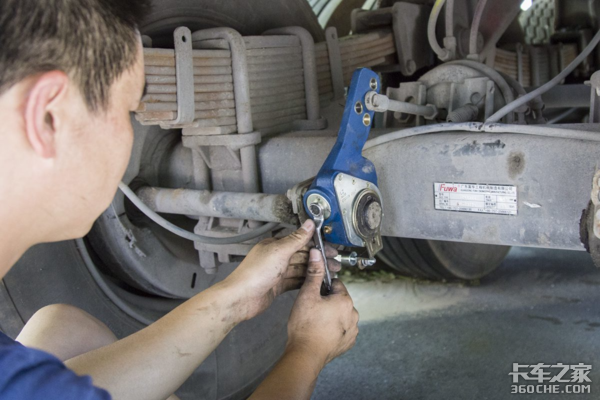
During use, to avoid early weakening of the automatic brake adjuster arm, users should not use a wrench to turn the worm hex when there is an issue of brake automatic adjuster arm clearance being too small. Instead, they should first check if the installed automatic brake adjuster arm model is correct or if there is a problem with its brake. Only if there is no problem should other aspects be considered, and if there is a problem, it should be repaired promptly. Sometimes, while driving, the automatic brake adjuster arm may reset slowly or drag the brakes. At this time, users need to check if the chamber return spring, brake shoe pull spring and other parts have issues. If these parts have problems, they need to be repaired rather than replacing the entire adjuster arm. Automatic adjuster arms may become stuck after long-term use. In this case, users need to lubricate the adjuster arm, with the most commonly used lubricant being No. 2 lithium grease. Adding lubricant can alleviate brake sticking issues and prolong the service life of the automatic brake adjuster arm to some extent.
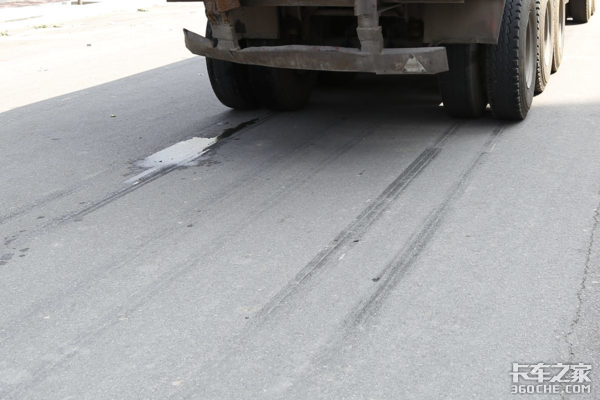
The braking system is a matter of life and death, so it's a top priority in daily checks. Brakes aren't something to take lightly, so check them often and be mindful. Whether it's an automatic or manual adjuster, you need to know what's going on, only then can you drive with peace of mind!
Previous Page
Previous Page

Focus on the research and development of automotive brake systems and pneumatic brake valves to promote the development of the auto parts industry!
Contact Information
Telephone:86-575-87438928
Mobile:8613252110178
QQ:1185450863@qq.com
Address: No. 461, Advanced Village, Fengqiao Town, Zhuji, Zhejiang Province
Online message
Submit your information and we will contact you as soon as possible.