


27
2025
-
11
Active Safety Systems for Trucks: How to Ensure Driving Safety?

On the roads we drive on every day, big trucks often become frequent participants in traffic accidents due to their large size, difficult braking, numerous blind spots, and lack of maneuverability. To make driving big trucks safer, laws and regulations, as well as vehicle manufacturing technology, are all working to equip trucks with more advanced active safety devices.
Speaking of active safety devices for big trucks, they have quite a history. The ABS anti-lock braking system appeared as early as a hundred years ago. With the rapid advancement of technology, more and more active safety devices have been invented. Now, let's list some of the commonly used active safety helpers on big trucks.
1. ABS Anti-lock Braking System, which prevents the brakes from locking up

Think about it, when it's raining or snowing, or when the road is slippery, if we brake suddenly, doesn't the car start to skid uncontrollably? The ABS anti-lock braking system is there to save the day. It uses small sensors on the wheels to constantly monitor the rotation of each wheel. Once it detects that a wheel is about to 'lock up,' the ABS immediately kicks in, adjusting the braking force so the wheel can brake while still moving a bit, preventing the car from skidding or veering off. This way, our braking distance is shorter, the car is more stable, and we can handle emergency situations with ease.
2. EBS System, More Precise Braking
The EBS system is a brake brain specially designed for large trucks. It makes braking more precise, shortens braking distances, and improves braking performance.

EBS can also automatically adjust the braking force on the front and rear wheels based on the weight of the cargo and road conditions, making braking more balanced. Working together with ESC, EBS can also monitor the vehicle's status in real time, preventing the vehicle from overturning during sharp turns and ensuring it does not lose control even in extreme situations.
3. AEBS Emergency Brake Assist
On the road, with traffic constantly changing, even if we stay fully alert, we might not react in time. This is when the AEBS Emergency Brake Assist comes in handy. It can automatically help us brake to ensure safety.

AEBS uses radar and cameras to monitor the road ahead. When it detects an obstacle or that the vehicle in front is too close, it first gives us a warning. If we don't react, AEBS will brake automatically to avoid a collision.
4. ACC adaptive cruise control, a great helper for long-distance driving.

Driving a long-distance truck, the most headache-inducing part is constantly pressing the accelerator and brake, and maintaining a safe distance. The ACC adaptive cruise control system is designed to solve this problem. We just set the speed and following distance, and it automatically adjusts the speed to maintain a safe distance. However, ACC is best used on flat roads, and it can also save fuel and money.
5. Truck dual warning system: lane departure and collision prevention
Most modern large trucks are equipped with lane departure warning and collision warning systems, which use cameras to monitor our lane and the distance to the vehicle ahead.

Once it detects that the vehicle is about to leave the lane or there is a collision risk, it immediately warns us so we can take timely action.
6. BSD Blind Spot Detection, An Extension of the Eyes
The blind spots of large trucks are big and prone to accidents. The BSD blind spot warning system is like our third eye, monitoring the blind spots through cameras and radar.
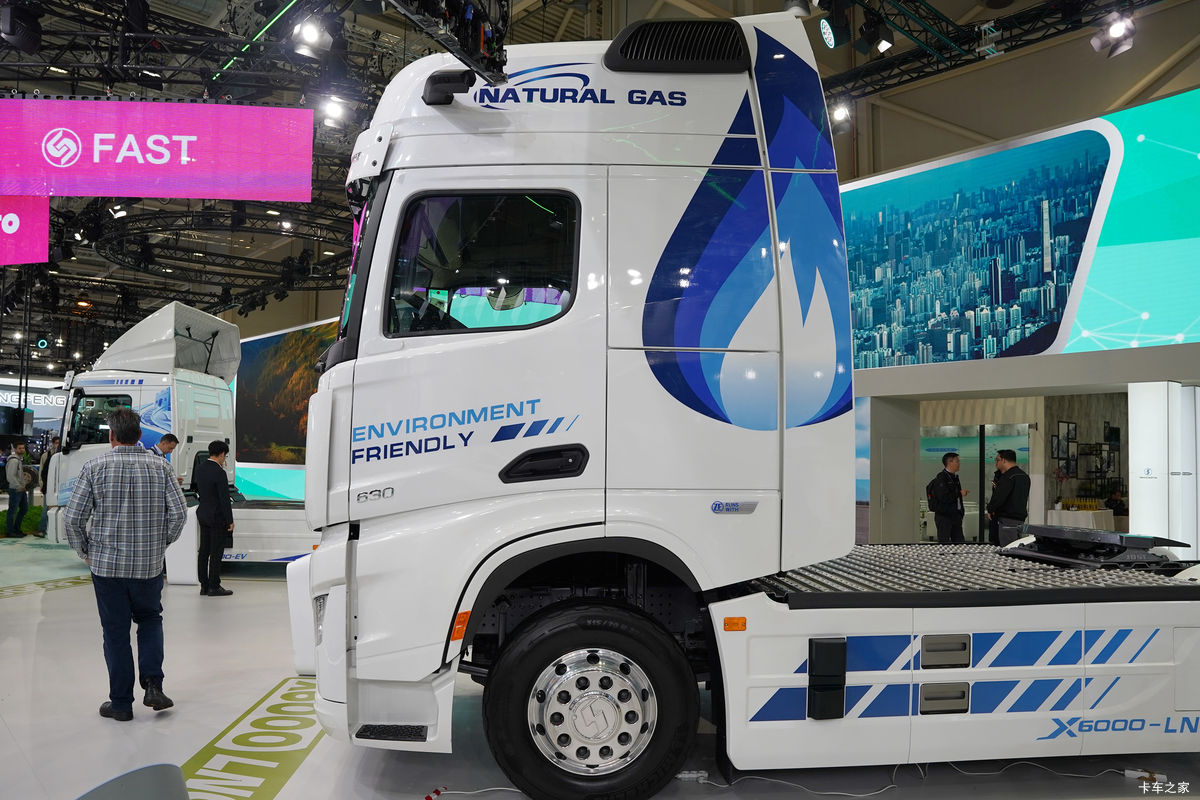
Once it detects someone or a vehicle approaching, it immediately alerts us, allowing us to identify danger in time and avoid accidents.
7. TPMS Tire Pressure Monitoring, Protecting Tire Safety
Tires are the only point of contact between the truck and the ground, and abnormal tire pressure or temperature can lead to accidents. The TPMS tire pressure monitoring system constantly monitors the pressure and temperature of each tire. Once it detects any abnormalities, it immediately notifies us so we can address them in time and prevent blowouts.
8. DMS Driver Monitoring, Preventing Fatigue Driving
Fatigue driving is a major enemy of safety, and truck drivers inevitably get tired. The DMS driver monitoring system watches our faces, and when it detects signs of fatigue such as yawning or frequent blinking, it immediately alerts us, prompting us to rest or adjust our state.

In the future, active safety systems for heavy trucks will become smarter, more precise, and more widespread. For example, Mercedes' sixth-generation Active Brake Assist system (ABA6) can detect dangers in a 270-degree range and brake accurately. Mercedes Truck's third-generation Active Driving Assist system (ADA3) allows the vehicle to automatically accelerate, maintain distance, and steer, making driving easier and safer.

Moreover, in the future, vehicle networking and intelligent systems will become increasingly advanced. Large trucks will be able to communicate in real time with other vehicles, roads, and traffic management systems, sharing data to make the entire road transport system safer.
Conclusion:
Overall, the active safety systems of large trucks have evolved from simple to complex, from passive to active, and continue to improve. In the future, they will be even smarter, more precise, and more widespread. These technological advancements will make our road transport safer and more efficient, allowing us to drive with greater peace of mind and ease.

Focus on the research and development of automotive brake systems and pneumatic brake valves to promote the development of the auto parts industry!
Contact Information
Telephone:86-575-87438928
Mobile:8613252110178
QQ:1185450863@qq.com
Address: No. 461, Advanced Village, Fengqiao Town, Zhuji, Zhejiang Province
Online message
Submit your information and we will contact you as soon as possible.